Shoburg: A Script Font That Brings Your Crafted Goods to Life
I was standing in my little studio, a fresh candle cooling on the table, and a blank label staring back at me from my screen. The scent was perfect—a warm blend of vanilla and cedar—but the label felt impersonal. It needed a name, a touch of elegance, something that whispered handmade before the customer even picked it up. That’s when I discovered Shoburg.
The Personality of a Beautiful, Balanced Script
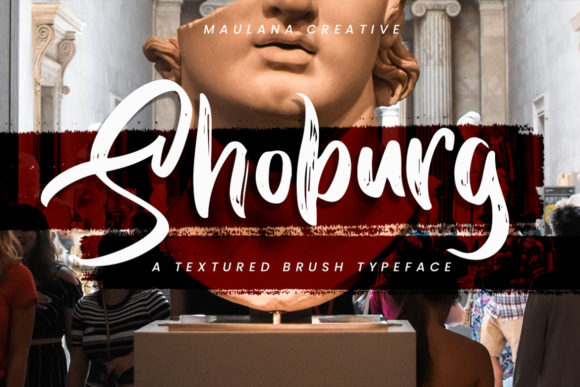
Shoburg isn’t just another script font. From the moment I typed out "Forest Glow" for my candle, I could see its character. The letters flow with a gentle, organic rhythm, each connection feeling intentional and graceful. It has a modern yet timeless vibe—not overly formal like some traditional scripts, nor too casual like many handwritten fonts. It sits beautifully in that middle ground: elegant enough for a wedding invitation, but warm and approachable for a product label or a cozy shop sign. That balance is its true charm. It brings a premium feel without feeling cold or distant.
Its open, clean strokes mean it retains its personality even when printed small on a sticker or a tag. I tested this immediately, printing a batch of sample labels on my kraft paper. Even at a smaller size for the ingredient list, the text remained legible and retained its distinctive style. This visual personality translates directly to your product’s perceived quality. When a customer sees a greeting card or a product package adorned with Shoburg, it communicates care and attention to detail. It helps build a consistent, recognizable brand identity across all your materials—from your Etsy shop banners to the thank-you card tucked inside a shipped order.
From Digital Mockups to Physical Products
The real joy began when I started applying Shoburg across my entire maker workflow. For digital products, like printable wall art or planner page templates, it becomes a key design asset. Using it for the title text on a digital download instantly elevates the mockup previews in your shop listings, suggesting a high-value item.
For physical goods, its applications are wonderfully diverse.
- Candle Labels & Product Packaging: It’s perfect for the product name itself. I use it for the main title on my jars and pair it with a simple, clean sans serif font for the details. This contrast creates hierarchy and clarity.
- Greeting Cards & Invitations: Whether it’s a birthday card or a full suite of wedding stationery, Shoburg adds that emotional appeal. It’s ideal for the couple’s names on a welcome sign or the main heading on an event poster.
- Boutique Tags & Stickers: For small hang tags on knitted goods or decorative stickers, its readability on small scales is a genuine benefit.
- Seasonal Craft Designs: I’ve used it for fall-themed mug designs and holiday tote bag artwork. It adapts beautifully to seasonal vibes without losing its core elegance.
- Shop Branding: Consider it for your logo design if your brand leans towards creative, artisan, or heartfelt. It can be the anchor of your brand identity.
Understanding Its Best Uses
Shoburg shines as a display font. It’s most effective for short phrases, names, titles, and decorative wording—the elements you want to highlight. For longer blocks of text on, say, an invitation’s details or a product description on a label, I recommend pairing it with a secondary font. This is standard practice in editorial and packaging design to ensure readability. A classic serif or a minimalist sans serif works perfectly alongside Shoburg’s graceful script.
For those using cutting machines like Cricut or Silhouette, the font’s clean lines and distinct character shapes make it a reliable choice. When converting text to SVG for cutting vinyl for signs or appliqué designs, the well-defined paths result in clean cuts, even for intricate script letters.
A Practical Checklist for Creative Sellers
Before committing any font to your commercial products, it’s wise to do a little due diligence. When I decided to use Shoburg across my shop, I made sure to check a few key things.
- Licensing: Confirm it includes a commercial license if you’re selling physical products, templates, printables, or merchandise. This is crucial for peace of mind.
- File Formats & Features: Look for the included file formats (often OTF, TTF) to ensure compatibility with your design software. Also, explore if it has alternates, ligatures, or swashes. These extra glyphs can add wonderful variation, allowing you to customize a word or name for a truly unique look on a wedding invite or a logo.
- Multilingual Support: If your market or products require special characters, check the font’s character set.
- Pairing Practice: Always test your font pairings in a mockup. Print a sample at the actual size it will be used. See how Shoburg interacts with your supporting font on a real candle label or a printed card. This hands-on test prevents surprises.
In the end, a font like Shoburg becomes more than a tool; it becomes a part of your creative story. It’s the first touchpoint between your craft and your customer. Seeing it come to life on a freshly printed invitation, or etched onto a mockup for a new tote bag design, is where the magic happens. It frames your work with a high-quality, heartfelt vibe that feels as handmade as the product itself.